Get advice promptly when a dental emergency happens
A sudden toothache or dental injury can be stressful, especially during a busy winter day. Calling a dentist promptly can help you understand what to do next and how soon you should be seen. Kilcona Dental Centre offers emergency dental care in Winnipeg for concerns such as severe tooth pain, broken teeth, swelling, and dental injuries. If you are unsure whether a problem needs urgent attention, call the clinic and describe what happened.
For a severe toothache, contact a dentist
Persistent or severe tooth pain can have several causes, including decay, infection, or an injury. Until you can speak with a dental professional, rinse gently with warm water and carefully floss around the tooth in case food is trapped. Avoid placing pain medication directly on the tooth or using heat on the jaw. The Ontario Dental Association’s emergency guidance recommends contacting a dentist right away for constant or severe pain.

If a tooth is chipped or broken, save any pieces
Rinse your mouth gently with water and contact a dentist as soon as possible, even if the chip seems small. If you can find a broken piece, keep it and bring it with you. A dentist can assess the damage and explain what treatment may be appropriate. If there is bleeding or significant pain, mention that when you call. The Ontario Dental Association also recommends rinsing the mouth and using a cold compress to help with swelling.
A knocked-out permanent tooth needs immediate attention
If an adult tooth is knocked out, seek dental care immediately. Handle the tooth by its crown, the part normally visible above the gum, and gently rinse it with cool water if it is dirty. Do not scrub it. If you cannot comfortably place it back in its socket, keep it moist in cold milk while you contact a dentist and arrange care. A knocked-out baby tooth should not be put back into the socket. The Ontario Dental Association’s instructions explain what to do for both permanent and baby teeth.
Take swelling or mouth injuries seriously
Swelling around the face or gums, an injury to the mouth, or bleeding that will not stop should be assessed promptly. A cold compress on the outside of the face may help with swelling while you contact a dental professional. If an injury also involves a serious head or facial injury, or you have difficulty breathing or swallowing, seek emergency medical care. When you call the dental office, describe the symptoms and when they began so the team can advise you on the next step.
Reduce the chance of winter dental injuries
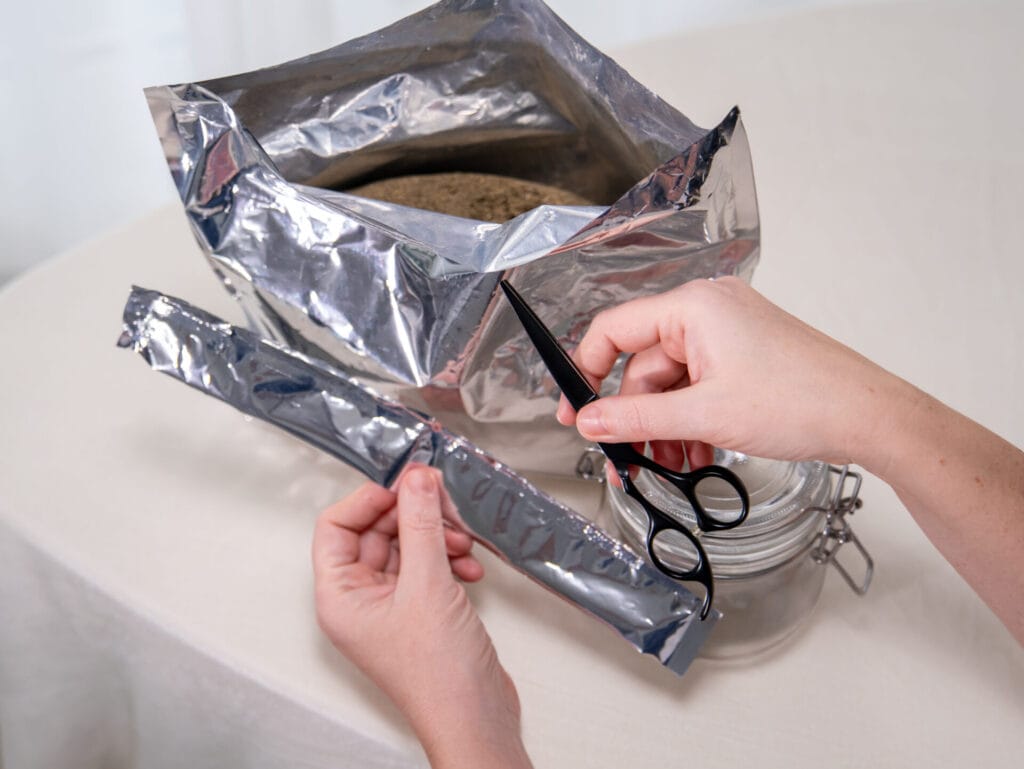
Winter activities can include skating, hockey, and other sports where falls or contact may happen. Wearing a properly fitted mouthguard during sports can help protect the teeth and mouth. It is also a good idea to avoid chewing ice or using your teeth to open packaging. The Canadian Dental Association’s dental safety guidance includes mouthguards for sports and avoiding hard objects such as ice among its prevention tips.
Keep Kilcona Dental’s number handy
Knowing where to call can make a stressful situation easier to manage. Save Kilcona Dental Centre’s number, (431) 814-9260, with your family’s winter and emergency contacts. If you have a toothache, broken tooth, swelling, or dental injury, call the clinic to discuss what happened and ask about next steps. Learn more about emergency dental care at Kilcona Dental.