Children do not always describe dental discomfort clearly. A younger child may avoid chewing on one side, become reluctant to brush a particular tooth, or complain that something simply “feels funny” rather than saying they have a toothache. Parents searching for a children’s dentist in Winnipeg may therefore benefit from knowing which changes are worth mentioning even when their child is not in significant pain. Kilcona Dental Centre provides children’s dental care in Winnipeg as part of its general family dental practice, allowing developing teeth, gums, bite, and home-care habits to be monitored as children grow.
A Toothache That Keeps Coming Back
Occasional sensitivity after something particularly cold does not always indicate a serious problem, but pain that repeatedly returns, interferes with eating, wakes a child at night, or becomes stronger should be assessed. Tooth discomfort can be related to decay, a damaged tooth, inflammation, or another dental concern, and the cause cannot reliably be determined from symptoms alone. Regular family dental care in Winnipeg gives the dental team an opportunity to compare new symptoms with previous examinations and determine whether treatment or monitoring is appropriate.
A Dark Spot or Visible Hole in a Tooth
Cavities can begin before a child reports pain, which is one reason visible changes should not be ignored simply because the tooth feels comfortable. Parents may notice an unusual dark area, a small pit, food repeatedly catching in one spot, or a rough portion of a tooth. Earlier assessment can help determine how much tooth structure has been affected and whether a filling or another approach should be considered before the problem becomes larger.
Bleeding or Puffy Gums
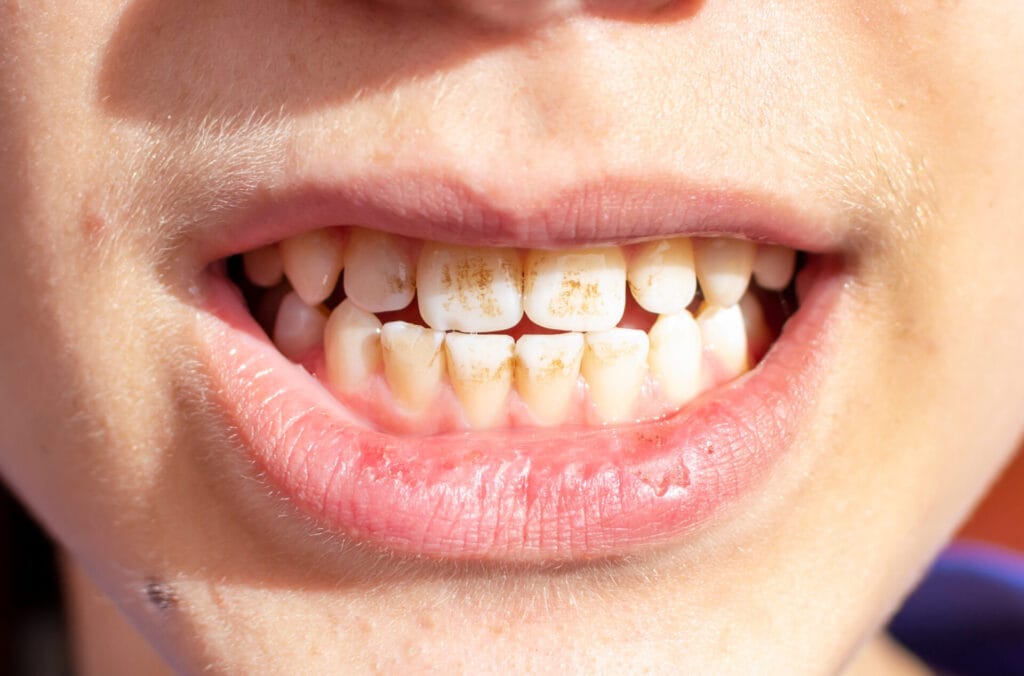
Children’s gums may become irritated when plaque remains around the gumline, particularly in areas that are difficult to brush effectively. Persistent redness, puffiness, bleeding during brushing, or ongoing bad breath can be reasons to review both oral hygiene and gum health. Professional teeth cleaning in Winnipeg can remove plaque and tartar that cannot be fully managed at home while also giving the dental team an opportunity to help families improve brushing and cleaning techniques.
A Chipped or Broken Tooth
Children can chip teeth during sports, falls, playground activities, or everyday accidents. A small chip may be relatively straightforward, but a deeper fracture can affect more of the tooth than is visible from the outside. If a tooth is broken, significantly painful, loose after trauma, or accompanied by swelling or bleeding, parents should contact the dental office. If a tooth is broken, significantly painful, loose after trauma, or accompanied by swelling or bleeding, parents should contact the dental office for guidance on the next steps. A dental injury may require prompt assessment even when a child initially seems comfortable. For more urgent concerns, emergency dental care in Winnipeg can help families determine what attention is needed and how quickly the child should be seen.

Tooth Sensitivity When Eating or Drinking
If a child regularly complains that hot, cold, sweet, or acidic foods cause discomfort, it is worth mentioning at their next dental appointment. Sensitivity can have several causes, including enamel wear, tooth decay, exposed dentin, or a damaged tooth. The location, frequency, and severity of the discomfort can help the dental team determine what may be contributing to the problem. A children’s dentist in Winnipeg can examine the affected teeth and recommend appropriate care based on the child’s age, dental development, and symptoms.
Crowded Teeth or Changes in the Bite
As children grow, their jaws and teeth change, and some variation in spacing is a normal part of development. However, noticeably crowded teeth, difficulty biting comfortably, persistent mouth breathing, or teeth that do not meet properly may warrant discussion with a dentist. Early assessment can help determine whether the changes are part of normal development or whether further monitoring or an orthodontic consultation may be appropriate. Regular dental visits allow families to follow these changes over time rather than relying on appearance alone.
A Loose Tooth That Does Not Seem Normal
Loose baby teeth are a normal part of childhood, but looseness following an accident or affecting a permanent tooth deserves attention. Parents should also mention a baby tooth that appears to be causing unusual pain, has significant swelling around it, or does not seem to be progressing as expected. The timing of tooth loss and eruption varies between children, so an examination can help clarify whether a change is consistent with normal development or needs further investigation. A dental team can also explain what to expect as permanent teeth begin to emerge.
When Should Parents Arrange a Dental Appointment?
Parents do not need to wait until a child has severe pain before contacting a dentist. Recurrent toothaches, visible cavities, persistent gum bleeding, unusual sensitivity, and changes following an injury are all reasonable reasons to seek advice. Significant swelling, uncontrolled bleeding, severe pain, or a dental injury involving a permanent tooth may require urgent attention. If a child has difficulty breathing or swallowing because of facial or oral swelling, seek emergency medical care immediately.
Routine appointments also matter because some dental problems develop without obvious symptoms. Regular examinations and professional teeth cleaning in Winnipeg help support preventive care and give parents an opportunity to discuss brushing, flossing, diet, and changes in developing teeth.

Supporting Healthy Smiles as Children Grow
Children’s dental needs change as baby teeth emerge, permanent teeth begin to replace them, and oral hygiene habits develop. Paying attention to recurring discomfort, visible changes, and injuries can help parents recognize when professional advice is appropriate. Establishing consistent dental visits also gives children the opportunity to become familiar with the dental environment and build habits that support their oral health over time.
Kilcona Dental Centre offers children’s dental care in Winnipeg as part of its family dental services. If you have noticed a change in your child’s teeth or gums, or simply have questions about their dental development, contact the team to discuss whether an appointment is appropriate.