Dental implants are used to replace missing teeth, but successful treatment planning involves much more than deciding where a replacement tooth should appear. Patients researching dental implants in Winnipeg, Manitoba need an assessment of the available bone, gum health, surrounding teeth, bite, medical history, and final restoration because each of these factors can influence whether implant treatment is appropriate and how the overall process should be planned.
Bone Provides the Foundation for an Implant
A dental implant is placed within the jawbone and functions as a support for the eventual restoration, which means the amount and quality of available bone matter. Kilcona Dental Centre’s implant information identifies adequate bone volume among the factors considered when evaluating candidacy, and patients who have been missing a tooth for some time may require additional assessment because bone dimensions can change after tooth loss.

Healthy Gums Matter Around Implants Too
Implants are not susceptible to cavities in the same way as natural tooth enamel, but the tissues around them still need to remain healthy. Active periodontal inflammation or poor plaque control can affect the environment around an implant, so gum health and home-care habits should be assessed before treatment and monitored after the final restoration is completed.
The Bite Determines How Forces Reach the New Tooth
A replacement tooth needs to function within the patient’s existing bite. The dentist must consider where the opposing teeth contact, whether the patient clenches or grinds, and how chewing forces will be distributed. These factors can influence the design of the final restoration and the maintenance recommendations provided after treatment.
Medical History Can Affect Treatment Planning
Certain health conditions, medications, tobacco use, and other medical considerations can influence healing or treatment decisions. Patients should provide complete health information during the implant assessment so the dental team and any involved specialists can determine whether additional precautions, medical consultation, or changes to the treatment plan should be considered.
The Final Restoration Should Be Planned From the Beginning
The implant itself is only the foundation. After healing, it may support a crown, bridge, or another prosthetic design depending on the number and location of missing teeth. Kilcona Dental Centre’s broader dental services include implants and restorative care, so treatment planning should consider the eventual shape, position, function, and cleaning needs of the visible replacement rather than focusing only on implant placement.

Regular Dental Care Continues After Implant Treatment
Patients with implants still need ongoing examinations and professional preventive care. Kilcona’s family dental care includes assessment of teeth, gums, bite, jaw joints, and oral tissues, providing an opportunity to monitor both natural teeth and restorations over time while reinforcing home-care techniques appropriate to the patient’s needs.
Urgent Symptoms Around Teeth or Implants Should Be Assessed
Pain, swelling, trauma, a loose restoration, or another sudden change should not be ignored. Kilcona Dental Centre provides emergency dental care in Winnipeg for urgent concerns, and an examination can determine whether symptoms involve the implant restoration, surrounding tissues, a neighbouring natural tooth, or another cause.
Implant Candidacy Is Individual
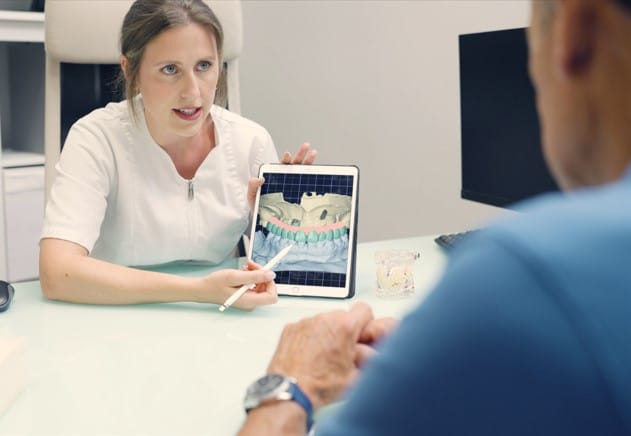
A missing tooth alone does not establish that an implant is the correct treatment. The dentist needs to understand bone support, gum health, bite, health history, treatment goals, and alternatives before recommending a plan. Kilcona Dental Centre can assess the restorative needs of patients considering tooth replacement and discuss whether implant treatment or another option may be appropriate for their situation.